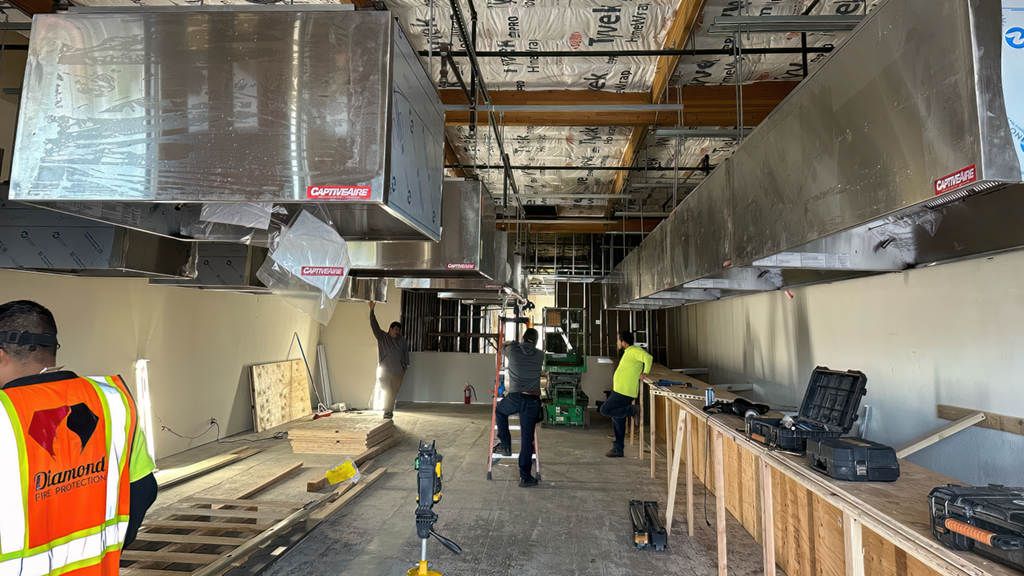
Fire sprinkler systems are a critical part of any commercial or residential property’s safety infrastructure. These systems are designed to automatically extinguish fires or contain their spread, providing valuable time for evacuation and minimizing property damage. However, even the most reliable systems require regular maintenance to ensure they function properly in the event of an emergency.
This blog will cover how often fire sprinkler systems should be inspected according to National Fire Protection Association (NFPA) guidelines and why adhering to these standards is crucial for both safety and compliance.
What is NFPA Sprinkler Inspection?
The National Fire Protection Association (NFPA) is a non-profit organizatlion that creates and maintains standards and codes related to fire safety. For fire sprinkler systems, the NFPA’s guidelines, specifically NFPA 25, dictate the inspection, testing, and maintenance requirements to ensure the sprinkler systems are operational and compliant with safety regulations.
NFPA sprinkler inspections play an essential role in ensuring the system will perform correctly when needed the most. Regular inspections can help identify potential issues, such as blocked pipes, leaks, or malfunctioning valves, before they turn into costly repairs or, worse, failures during an emergency.
NFPA Sprinkler Inspection Requirements
The NFPA outlines various inspection requirements depending on the type of system, the risk factors of the property, and its usage. The most common types of sprinkler systems are wet pipe, dry pipe, pre-action, and deluge systems. Regardless of the system type, the inspection schedule is generally broken down into weekly, monthly, annual, and five-year intervals.
Weekly Inspections
The most frequent inspection requirement involves a simple visual check to ensure the system remains unobstructed. NFPA 25 requires property owners or facility managers to inspect sprinkler heads for any obstructions that could impede water flow in the event of a fire. In addition, this check ensures that the system is free from any damage, dirt, or other issues that could affect its performance.
Monthly Inspections
On a monthly basis, property managers should check that all valves are properly secured and in their designated open or closed positions, as required by the system’s design. Additionally, any control valves should be inspected to ensure they have not been tampered with. Monthly inspections ensure the system works and has no mechanical failures.
Annual Inspections
At least once a year, fire sprinkler systems must undergo a more detailed inspection. NFPA 25 calls for a comprehensive examination of the entire system. This includes testing the water flow, checking the integrity of the pipes and fittings, ensuring the pressure is at the proper level, and verifying that the sprinkler heads are in good working condition. Annual inspections are vital for confirming that the sprinkler system is fully operational and compliant with fire safety standards.
Five-Year Inspections
Every five years, more thorough, in-depth inspections are required. This includes checking the system’s hydraulic calculations, testing for corrosion in pipes, and
performing full-scale flow tests. The five-year inspection also verifies that the system complies with the most current NFPA standards. This inspection helps catch issues that may have developed over time, ensuring that all parts of the system are still operating effectively.
Why Compliance with NFPA Sprinkler Inspection Schedule is Crucial
Compliance with the NFPA’s sprinkler inspection schedule is not only a legal obligation but also essential for protecting lives and property. Regular inspections of fire sprinkler systems can prevent them from becoming unreliable or completely ineffective during emergencies. By adhering to NFPA inspection guidelines, property owners can minimize the risk of fire-related damage, injuries, or fatalities.
Additionally, NFPA sprinkler inspection compliance is often a requirement for insurance policies. Many insurers will only cover fire-related damages if the property has passed regular fire sprinkler inspections. This means failing to comply with NFPA requirements could result in costly financial penalties or, worse, lack of coverage in the event of a fire.
The Risks of Non-Compliance
Neglecting regular sprinkler inspections can lead to a variety of risks. The most immediate concern is the risk of a malfunctioning system during a fire. Sprinklers that have not been inspected for long periods may fail to activate when needed, putting lives and property in danger.
Another significant risk of non-compliance is the potential for penalties. The NFPA’s sprinkler inspection schedule is legally enforceable in many jurisdictions, especially for commercial properties. Property owners who fail to adhere to the inspection guidelines could face fines, penalties, or even the closure of their business until compliance is achieved.
How Diamond Fire Protection Helps with NFPA Sprinkler Inspections

At Diamond Fire Protection, we understand how critical it is to maintain the integrity of your fire protection systems. Our expert technicians, highly trained in the latest NFPA guidelines, dedicate themselves to keeping your fire sprinkler systems in top condition. We
provide comprehensive inspections, tests, and maintenance to ensure your systems remain compliant and ready for action when it matters most.
Whether you need a simple visual inspection or a full-scale five-year check, we’ve got you covered. We offer customized service plans tailored to your specific needs, ensuring that you meet local, state, and federal fire protection standards without worry.
Conclusion
Fire sprinkler systems are one of the most essential components of fire safety. Adhering to NFPA sprinkler inspection requirements is not just a legal obligation but a matter of life and
property protection. By scheduling regular inspections, you ensure that your fire sprinkler system is always in top condition and ready to protect your property in the event of a fire.
Stay Ahead of Fire Risks – Schedule Your Sprinkler Inspection Today!
At Diamond Fire Protection, we’re committed to helping property managers, business owners, and contractors in Southern California stay compliant with fire safety regulations. Contact us today at (951) 579-4299 to schedule a fire sprinkler inspection or to learn more about our services. Let us help you safeguard your property and ensure the safety of those within.